Notes Formulated by Marie
Welcome Amy and Kevin,
Your first Seattle stop is King Street Station is one of Seattle's most charming historic landmarks, located at 303 S Jackson Street on the edge of Pioneer Square. Built in 1906 and crowned with a clock tower inspired by Venice's St. Mark's Campanile, the station offers a beautifully restored interior with ornate plaster ceilings, marble accents, and a bright, elegant waiting hall. It serves as a major transportation hub, connecting travelers to Amtrak routes, Sounder commuter trains, light rail, buses, and the streetcar-making it an easy gateway to explore the city. From the station, guests can walk to nearby attractions like Lumen Field, T-Mobile Park, and the historic Pioneer Square district. It was added to the National Register of Historic Places in 1973 and underwent a major $50+ million restoration (2008-2013) to return it to its original grandeur.
Head to Issaquah on I-90 (If we keep going straight on I-90 we will end up in Buffalo...Ask Ethel. But we will get off on Front Street and get a little feel for old town west. Pass the ginkgo tree, the worlds only existing species of a deciduous monocotyledon in the world today, it goes back to the days of the dinosaurs. Ginkgo trees (Ginkgo biloba) are ancient, resilient "living fossils" that date back nearly 290 million years and remain the sole survivors of their botanical lineage. Known for their distinctive fan-shaped leaves and brilliant golden fall color, they thrive in urban environments thanks to their exceptional tolerance for pollution, pests, and poor soil. Ginkgos can live for thousands of years, grow 60-115 feet tall, and shift from a youthful pyramidal shape to a broad, spreading canopy with age. Male trees are typically preferred for landscaping because female trees produce fleshy seeds with a strong, unpleasant odor. Long celebrated in China and Japan for their symbolism of longevity and balance, ginkgos also have traditional culinary and medicinal uses, though their seeds contain toxins and supplements may interact with medications. In the Pacific Northwest-including areas like Issaquah and Mirrormont-ginkgos grow beautifully, making them a popular choice for streetscapes and home landscapes alike.
Through the plaza and around the corner we will park in the lot next to our Community Center, where Marie started her aerobics class in 1993 and still meets with the class M-W-F for 70 minutes exercise routine. The folk have established a longstanding friends group which still meets weekly for coffee. In the summertime there are concerts on the lawn. Now we will head down the trail until we come to Jakob Two Trees, one of six trolls in the Pacific Northwest. They came in 2023 and will only stay about three years.
Thomas Dambo is a Danish recycle-artist famous for creating giant wooden trolls— whimsical sculptures built from reclaimed wood and hidden in forests, parks, and coastlines around the world. His work blends environmental activism, storytelling, and adventure. inviting people to explore nature through "troll hunts."
The works of Danish artist Thomas Dambo celebrate the intersection of art, nature, on storytelling, and recycling. Born in 1979 in Odense. Denmark. Dambo grew up in a collective household where resourcefulness and creativity thrived. After an early engagement with hip-hop, beatboxing, graffiti, and street art, Thomas pursued a Master's degree in Interaction Design at the Kolding School of Design from 2006 to 2012, where he began experimenting with building large-scale installations using reclaimed materials.
A lifelong advocate for upcycling and public engagement, Thomas Dambo's projects continually challenge the boundaries between art, adventure, and activism. His work has transformed landscapes and communities, drawing global audiences into a playful, urgent conversation about waste, wonder, and our relationship with the planet.
Since 2014, Thomas has become internationally known for his monumental wooden trolls-sculptures made entirely from recycled wood, often hidden in forests or public spaces, and accompanied by narratives that blend folklore, environmentalism, and community participation. His works span multiple continents.
Each Dambo troll has a clever name as well as a delightful backstory that connects to a theme. Dambo uses recycled materials, mostly discarded pallets, to build the trolls. For each one, he weaves themes of honoring the land and protecting nature into its story. Locally, he and his team worked with area tribes, as well as parks departments, museums, funding agencies and volunteers.
Through his art, Dambo hopes to encourage everyone to be curious, to get outside and explore, while also prompting us to think about protecting the nature around us. He invites families curious about the trolls to think carefully about our planet's shortage of resources and abundance of garbage. Through his work, he seeks to highlight that trash can truly become treasure.
"I want people to know that trash has value. My trolls do that, and also help me tell stories, like the legends I grew up with," Dambo said in a press release. "In nature, there is no landfill. Nature is circular, everything has a meaning and everything is recycled." In the Pacific Northwest, the Scan Design Foundation managed this ambitious project, with funding from the Paul G. Allen Foundation and many other local donors.
Both Boeing and Microsoft have significantly affected Issaquah's history, cultural development, and diverse population through their active community participation and attraction of outside residents. An interesting fact: Boeing's first wooden seaplane was built by employees from Issaquah and took off from Lake Sammamish (located at the northern edge of downtown Issaquah).
Today, Issaquah combines its rich history with a modern atmosphere, providing art, music, and entertainment for its residents and guests. Downtown Issaquah boasts many historical attractions including our famous Historical Shell Station, Feed Store, and Historic Train Museum.
And now welcome to the Town, not sure if it's a city...I think it is.
Issaquah History
"Issaquah" is an anglicized word for a local Native American name, meaning "the sound of birds". Another version of the name is said to have come from the pioneers, who, being impressed with the multitude of wetland birds, called the area Squak Valley. When the next wave of settlers came and asked for the name of area, the Natives told them, "Is Squak."
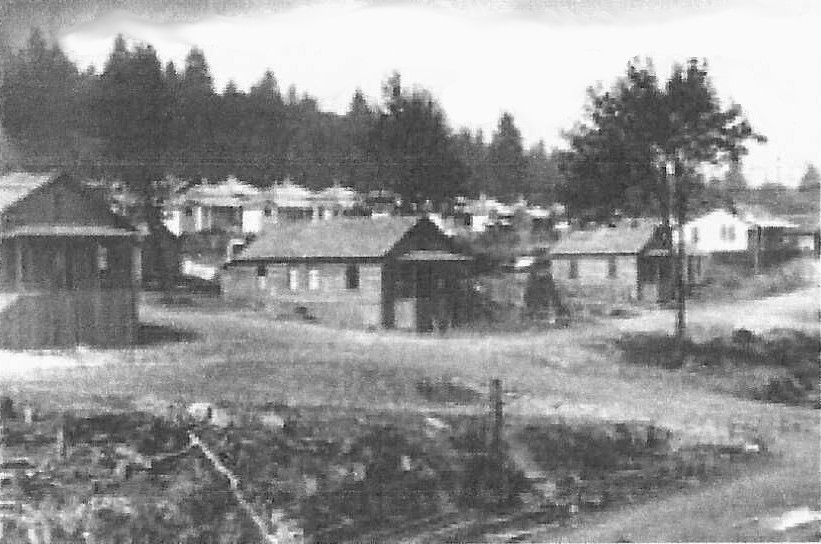
The city was officially incorporated on April 29, 1892. Initially a small mining town, this town has changed noticeably both in its appearance and economic focus. Issaquah was originally developed to service the mining industry on nearby Tiger Mountain, and began as the town of Gilman, Washington. As the mining deposits neared depletion in the late 1890s, other companies started to realize Issaquah's potential to support a lucrative lumber business. These companies exported timber from Issaquah and other small, local towns to Seattle and larger, rapidly growing communities throughout western Washington. These early boom industries, however, faded into a period of relative quiet by the time of the Great Depression.
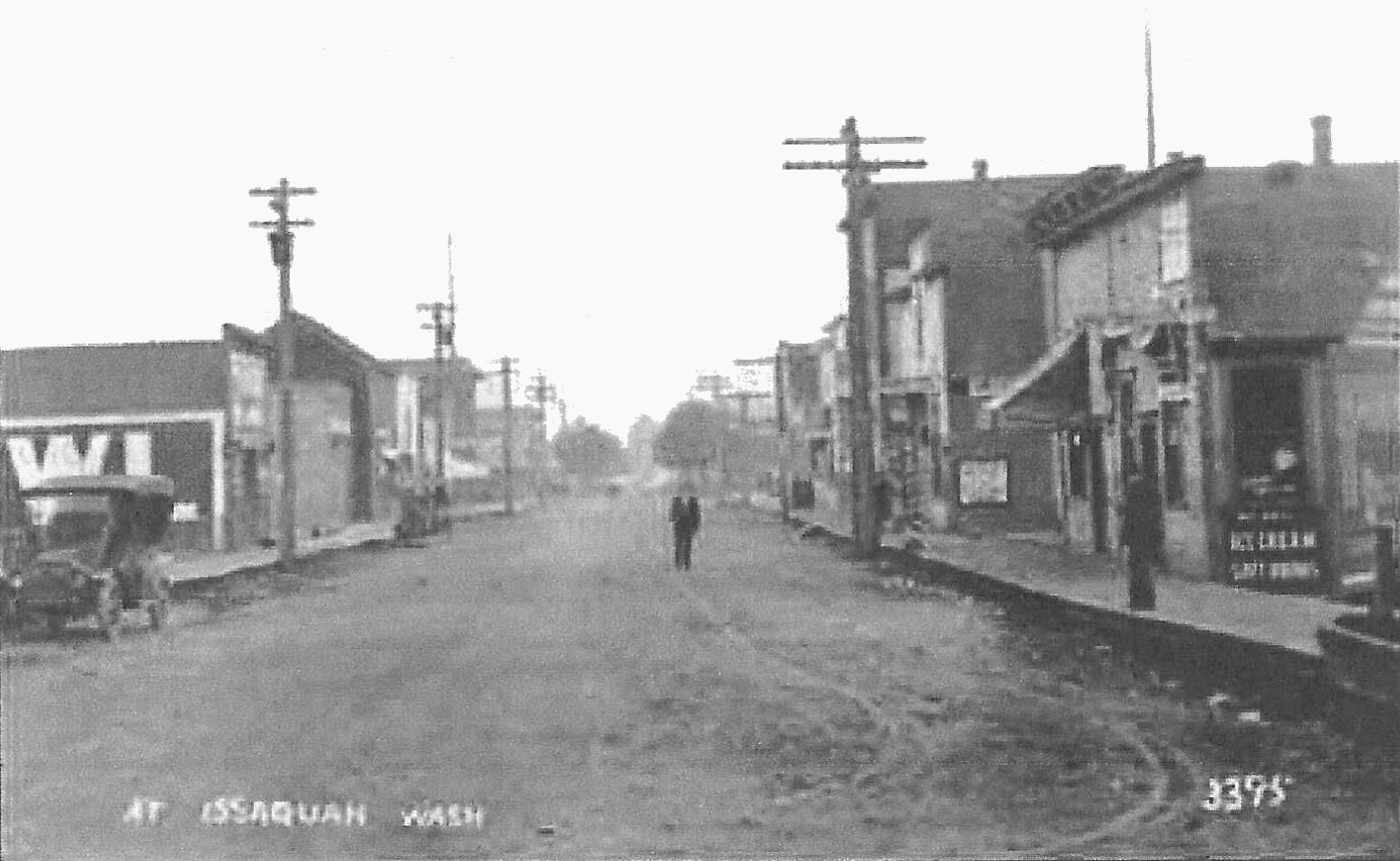
The town remained fairly placid through the succeeding decades with The Boeing Company providing the majority of employment in the area. Microsoft and other technological industries moved into Redmond, Washington and other cities in the area, and later established operations in Issaquah itself.
Green Lake
Green Lake (Lushootseed: dxwλəš) is a freshwater lake in north central Seattle, Washington, within Green Lake Park. The park is surrounded by the Green Lake neighborhood to the north and east, the Wallingford neighborhood to the south, the Phinney Ridge neighborhood to the west, and Woodland Park to the southwest. It is a glacial lake, its basin having been dug 50,000 years ago by the Vashon glacier, which also created Lake Washington, Union, Bitter and Haller Lakes.
History
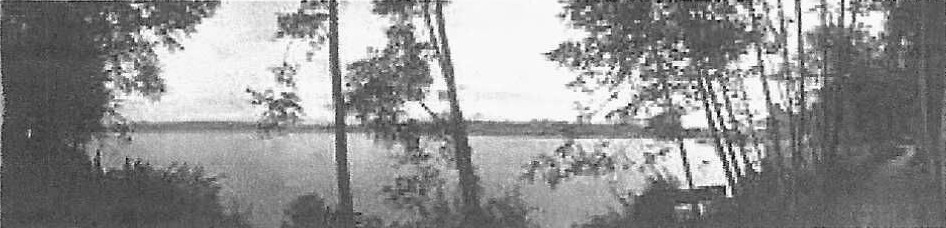
Green Lake in January 1907
Green Lake is called dxwλəš in Lushootseed, the native language of Seattle. The etymology of the name is unknown. It was given its English name by David Phillips, who surveyed the area in September 1855 for the United States Surveyor General. His first notes referred to it as "Lake Green" because even in its natural state the lake is prone to algae blooms.
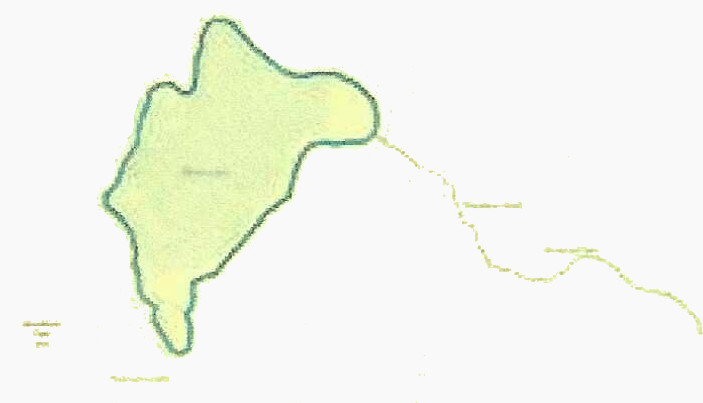
Green Lake in 2015 with blue line showing the shoreline in 1911 before the water level was lowered
The lake has a surface area of 259 acres (1.05 km²), a mean depth of 13 feet (4.0 m), and a maximum depth of 30 feet (9.1 m). The lake has been dredged in order to maintain its depth. Green Lake lacks both surface water inflows and outflows. It once drained into Lake Washington via Ravenna Creek, but in 1911 the water level was lowered by 7 feet (2.1 m) to create parkland, causing the creek to dry up between Green Lake and Cowen Park. Ravenna Boulevard and its wide, grassy median were constructed over the creek bed. The lake is now fed by rainfall, storm runoff, and Seattle's municipal water supply.
The area was originally homesteaded by various pioneers, the first being Erhart Sarfried, Green Lake John. Sarfried subdivided his homestead in 1888 and sold the land to various entrepreneurs. W.D. Wood built an "amusement park" on the west side of the lake (which never amounted to more than a glorified lawn for picnics). On the east side of the lake, A.L. Parker logged the woods and built a sawmill. Edward C. Kilbourne built the first trolley line connecting the area to the city, the route of which is now Green Lake Way North. The trolley lines kept growing, until by 1910 they extended completely around the lake and a round trip could be made on a separate line going back to the city.
In July 2008, several metal spikes up to 3 feet (0.91 m) in length were found along the bottom of the lake, injuring one person who accidentally stepped on them. The Seattle Parks Department later confirmed that the spikes were from a forgotten pilot program to control the growth of "Eurasian water milfoil" in Green Lake. The invasive aquatic plant had first appeared in the lake in the early 1980s. In 1984, the Parks Department installed 120,000 square feet (11,000 m²) of black plastic sheeting along the bottom of the lake, using the spikes to hold the sheeting in place. The spikes originally had curved tips to prevent injury, but the tips had corroded and broken off. The city paid a team of divers to remove the remaining spikes in late July 2008. Throughout the course of the investigation, it was revealed that the city had also tried combating the milfoil with weed-eating fish, but hadn't made any serious efforts in the past 15 years aside from occasionally paying divers to pull the weeds by hand.
Green Lake Park
After 1903 the area became part of Seattle's grand Olmsted Plan to create a series interconnected greenspaces around the entire city. The park design still reflects the Olmsted vision.
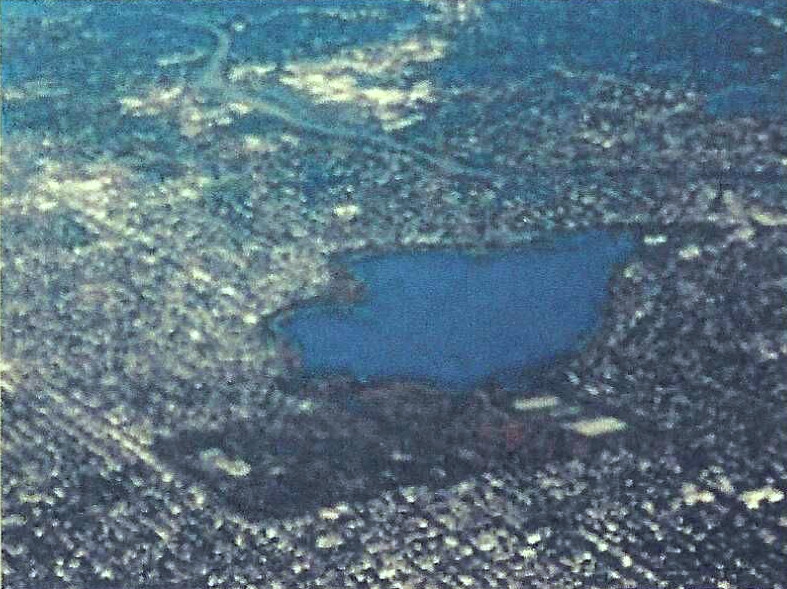
Aerial view of Green Lake from southwest, with Woodland Park at near corner.
Green Lake is surrounded by a 2.8 mi (4.5 km) paved pedestrian pathway. Bicycles, scooters, roller skates, and other wheeled vehicles were barred from using the paved pathway during the COVID-19 pandemic due to high pedestrian use and the construction of new protected bicycle lanes on Green Lake Way. This restriction, made by the Seattle Parks and Recreation department, is currently classified as a "long-term temporary use restriction".
The path attracts people seeking exercise and relaxation, and can be crowded. There is also an outer non-paved 3.2 mi (5.1 km) path along the edge of the park. The park is a popular spot for qigong classes, roller hockey, soccer, baseball, golf, the Derek Baker Memorial Boccie Ball Club, and lawn bowls, part of the Woodland Park Lawn Bowling Club, and a monthly midnight bicycle race.
top of page