Stations of the Cross
A Journey to Calvary with Christ
Contents
Christ Crucified TodayQuectiua Way of the Cross
I Jesus is Condemned to Death
II Jesus Bears the Cross
III Jesus Falls the First Time
IV Jesus Meets His Blessed Mother
V Simon Helps Jesus to Carry His Cross
VI Veronica Wipe the Face of Jesus
VII Jesus Falls the Second Time
VIII Jesus Speaks to the Women of Jerusalem
IX Jesus Falls the Third Time
X Jesus is Stripped of His Garments
XI Jesus is Nailed to the Cross
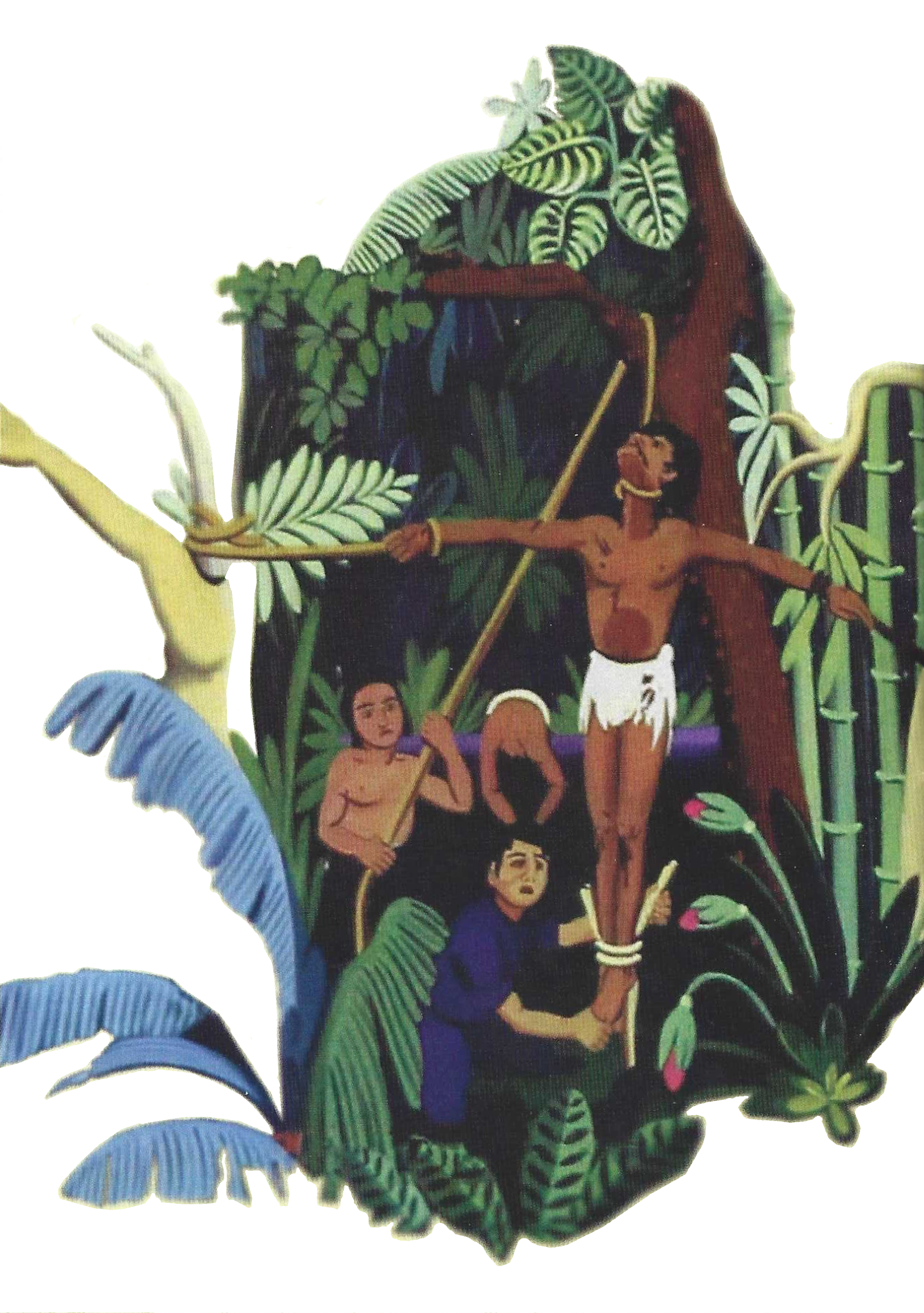
XII Jesus Dies on the Cross
XIII Jesus is Taken Down from Cross
XIV Jesus is Laid in the Sepulcher
XV Jesus Rises from the Dead
Closing Reflection
Closing Prayer
Color version
White version
Home Page
Christ Crucified Today
By Stephen P. Judd, M.M.
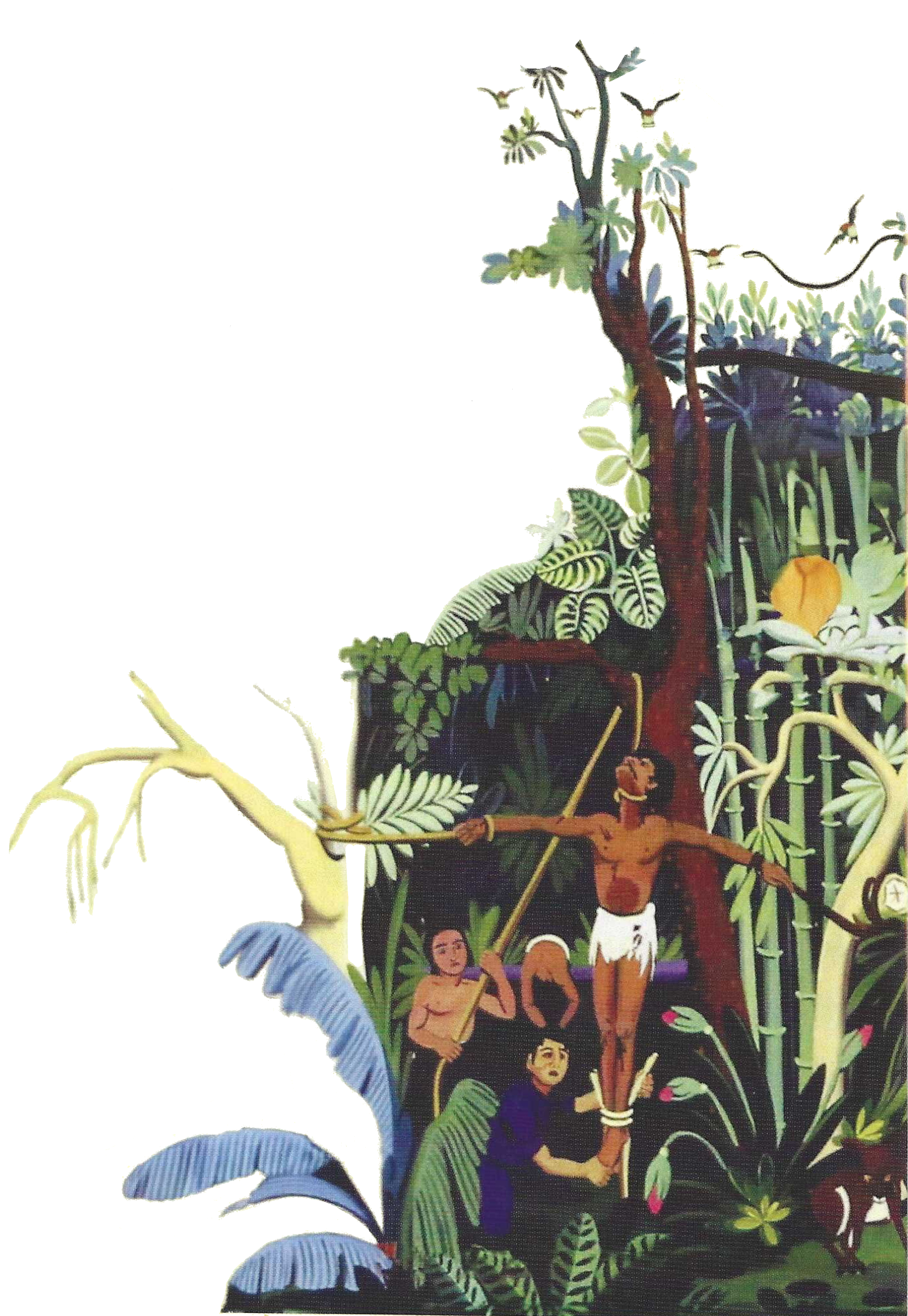
Artist depicts lives of indigenous people to mark quincentennial of Columbus' arrival in the Americas.
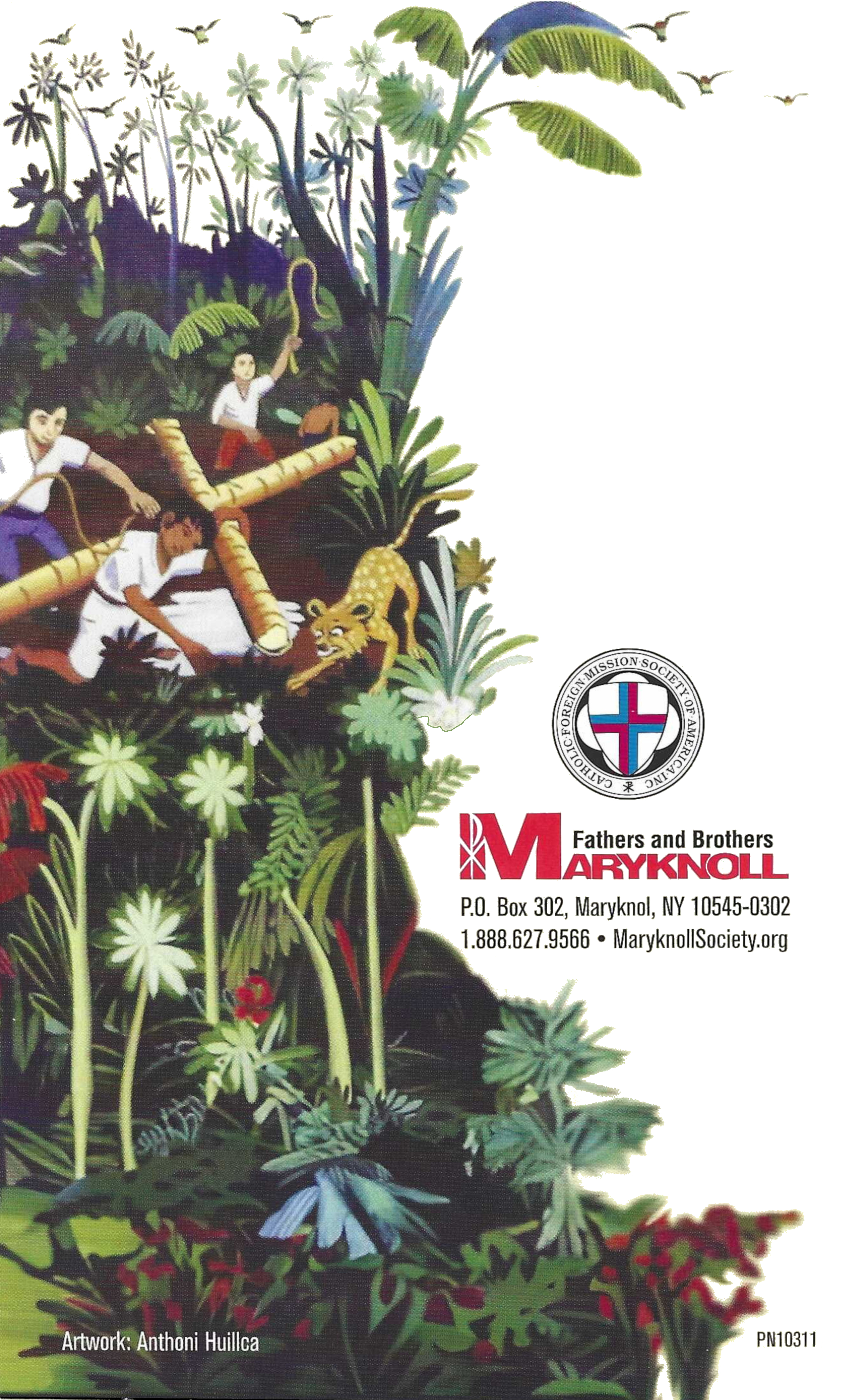
In one of his celebrated accounts of Spanish colonization, the noted Dominican Friar Bartolome de Las Casas (1484-1566) declared that he had witnessed “Christ crucified not once, but thousands of times” in the murder of innocent Native Americans. Today, 500 years later, Christ continues to be crucified in Latin America. But were it not for graphic depictions like those of Peruvian artist Anthoni Huillca, the world might never know the extent of these modern crucifixions.
For Huillca’s generation of young people in the southern Andes, the Way of the Cross is their experience of hiring out to pan for gold in jungle areas of Peru. Lured by labor contractors with promises of instant cash, increasing numbers of young Quechua and Aymara people venture from the altiplano to the jungle. Huillca dramatically portrays the reality. Instead of striking it rich, the workers find unfulfilled promises and even death by disease or drowning.
Anthoni Huillca is the second son of famous Quechua artist Antonio Huillca, who originated the naif school of Peruvian painting. Two of Anthoni's brothers have also developed their artistic skills. The family has had expositions in Mexico, Chile and France. Quechua Way of the Cross is one of a series of paintings that the family has recently unveiled to commemorate the quincentennial of Columbus’ arrival in the Americas from the perspective of indigenous peoples.
Father Stephen Judd, from Butte, Montana, is a member of the General Council of the Maryknoll Fathers and Brothers with responsibility for coordination in the mission regions of Latin America.
Quectiua Way of the Cross
One of the most familiar devotions among Christians is the Way of the Cross, a series of prayers following the footsteps of Jesus on the road to Calvary. In the early 1990s, Peruvian artist Anthoni Huillca gave this devotion new meaning and resonance for the indigenous people of Peru.
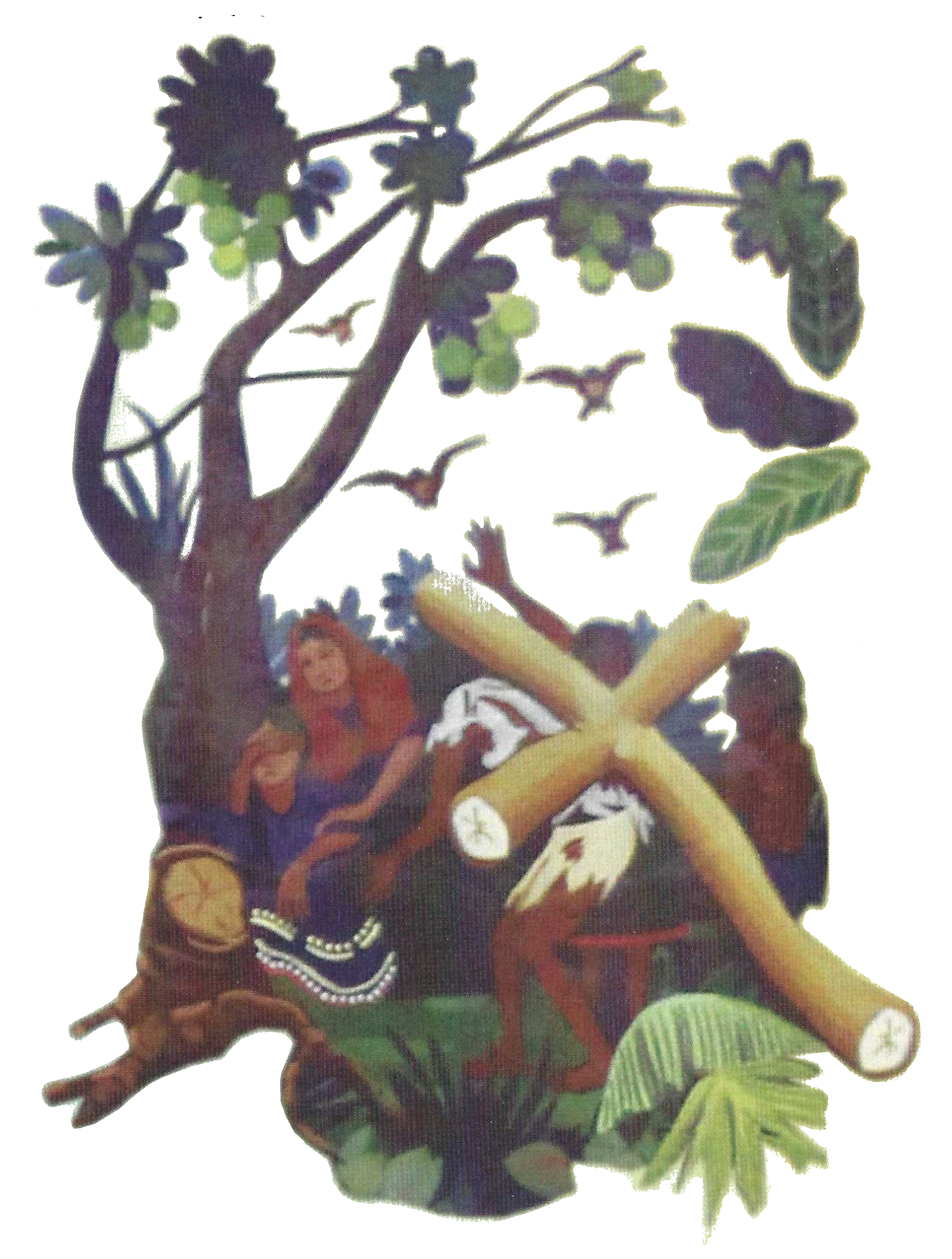
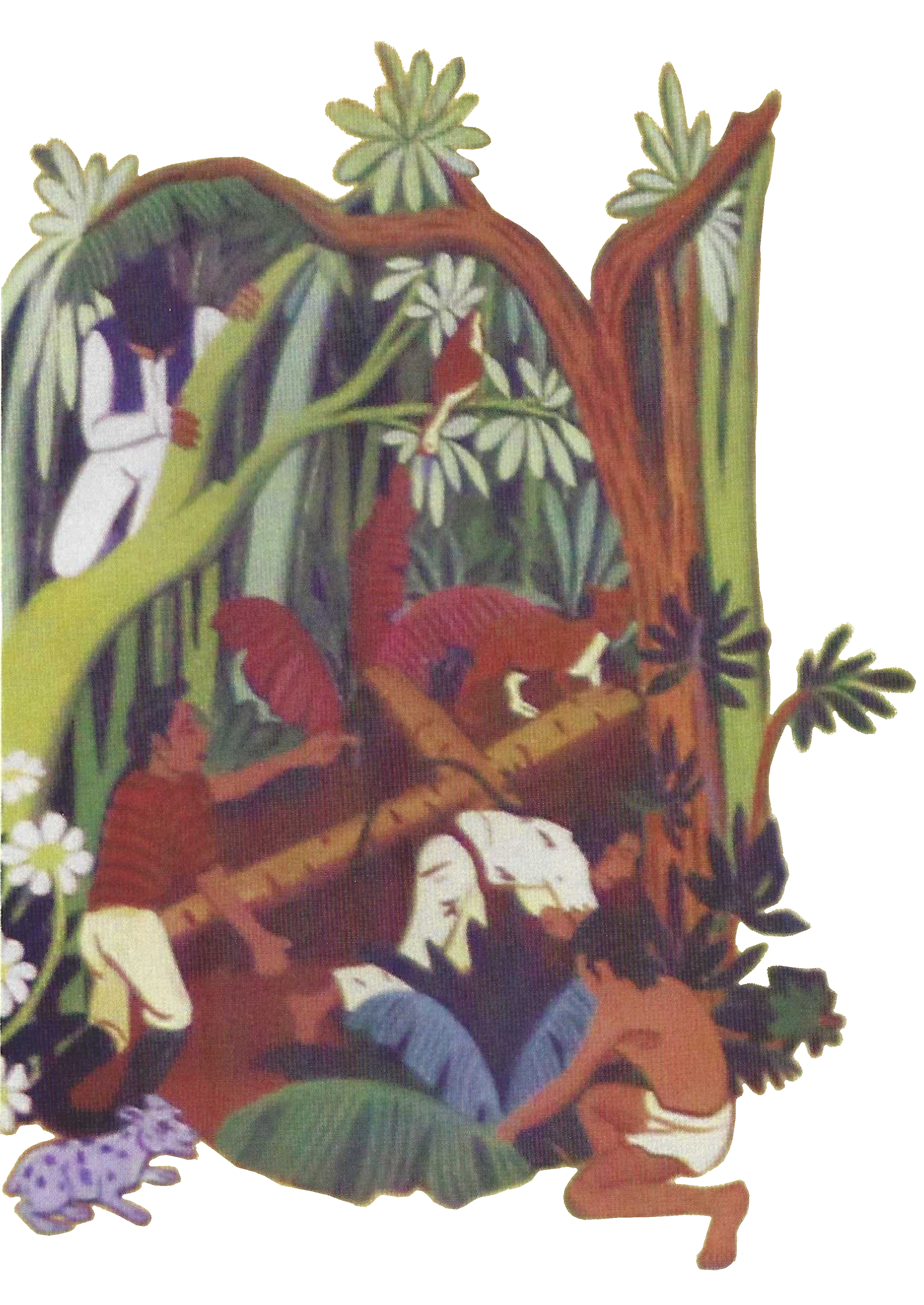
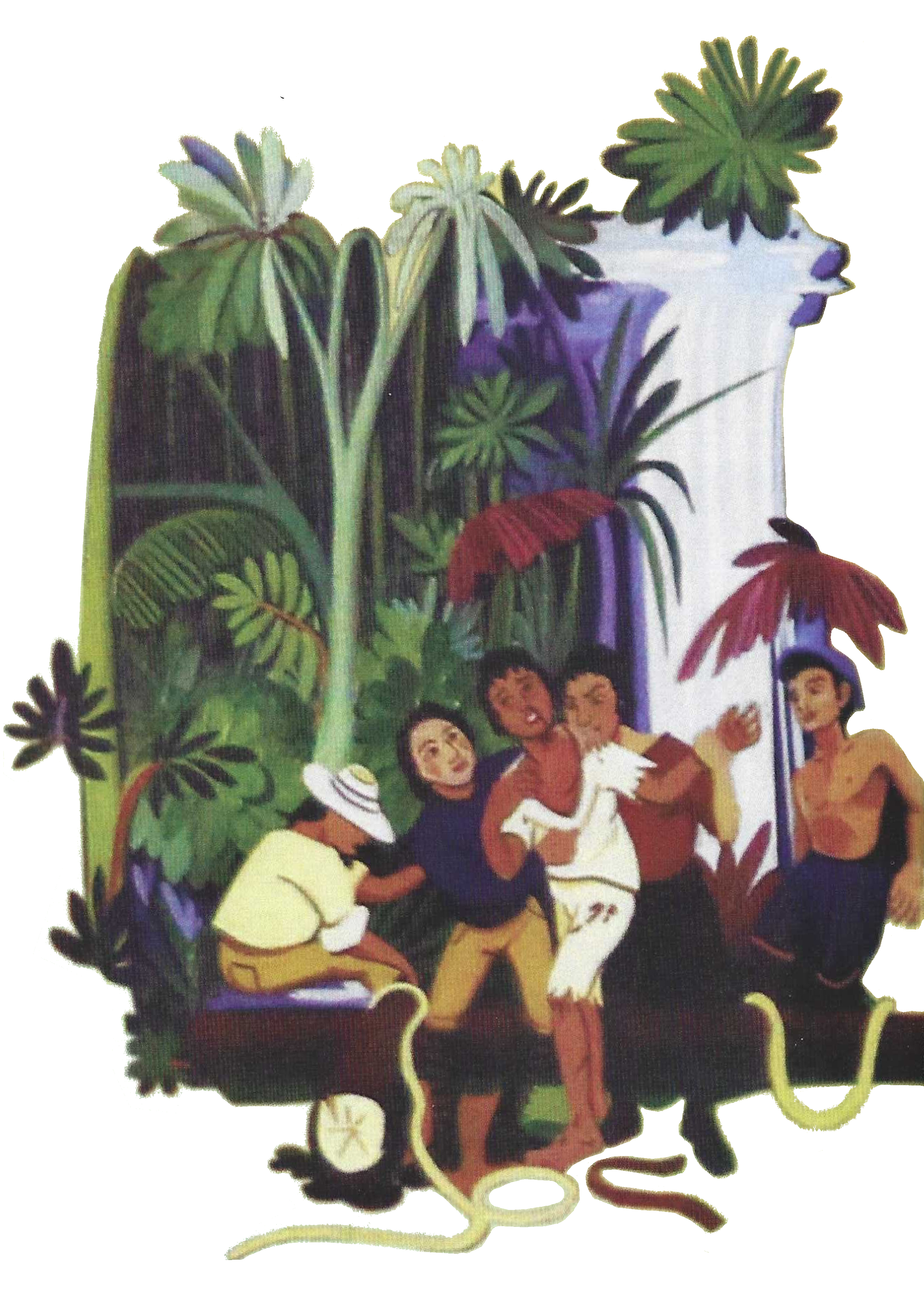
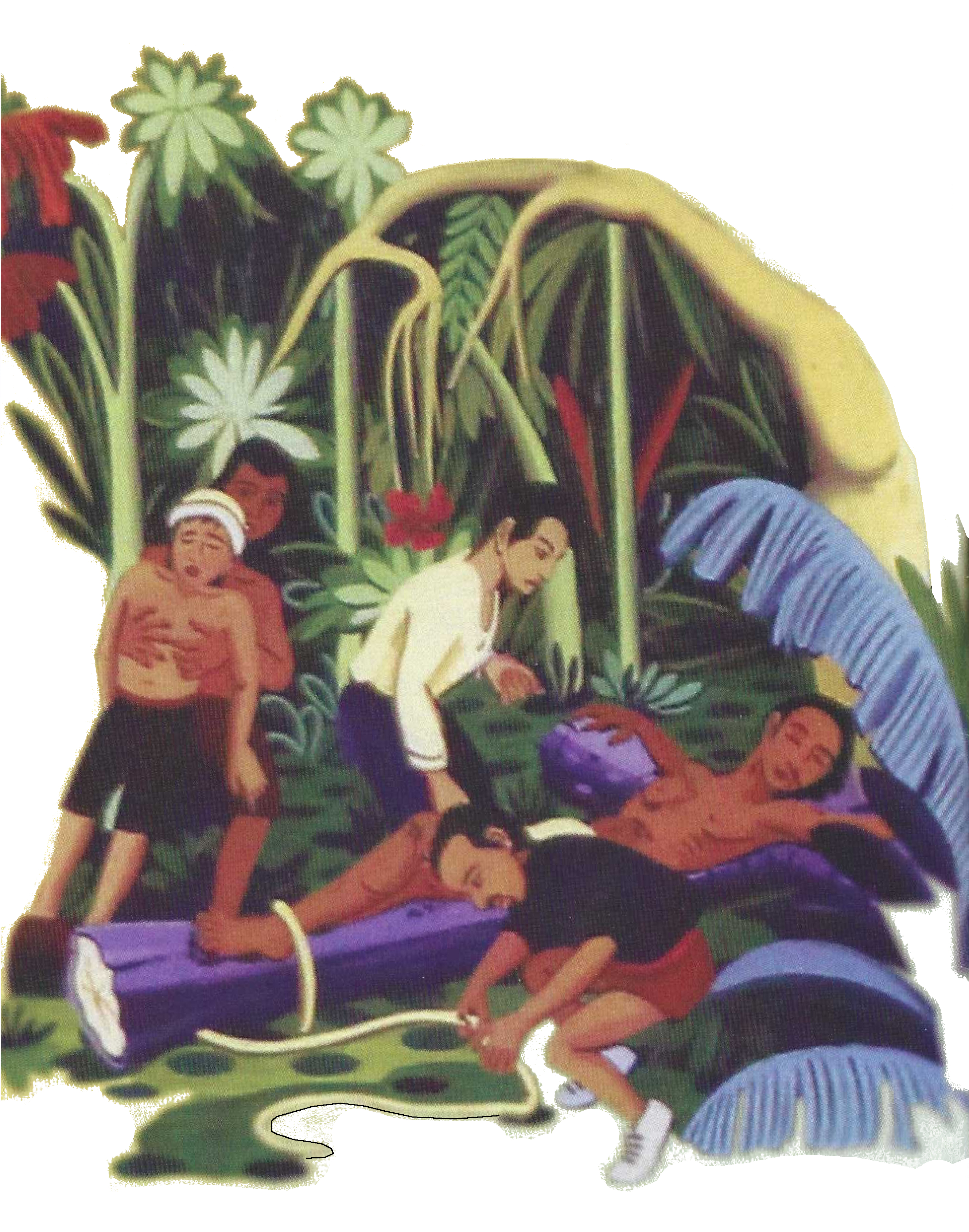
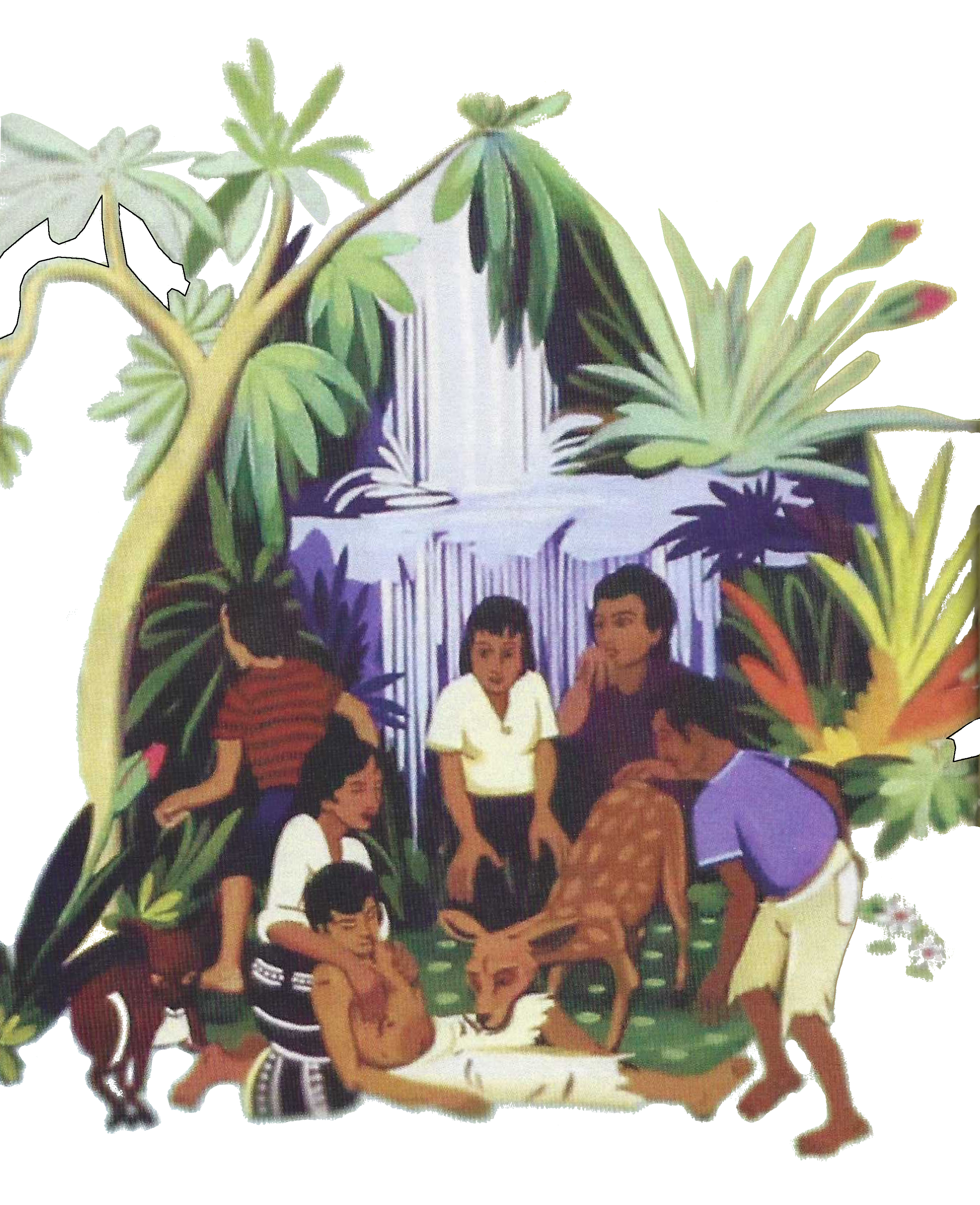
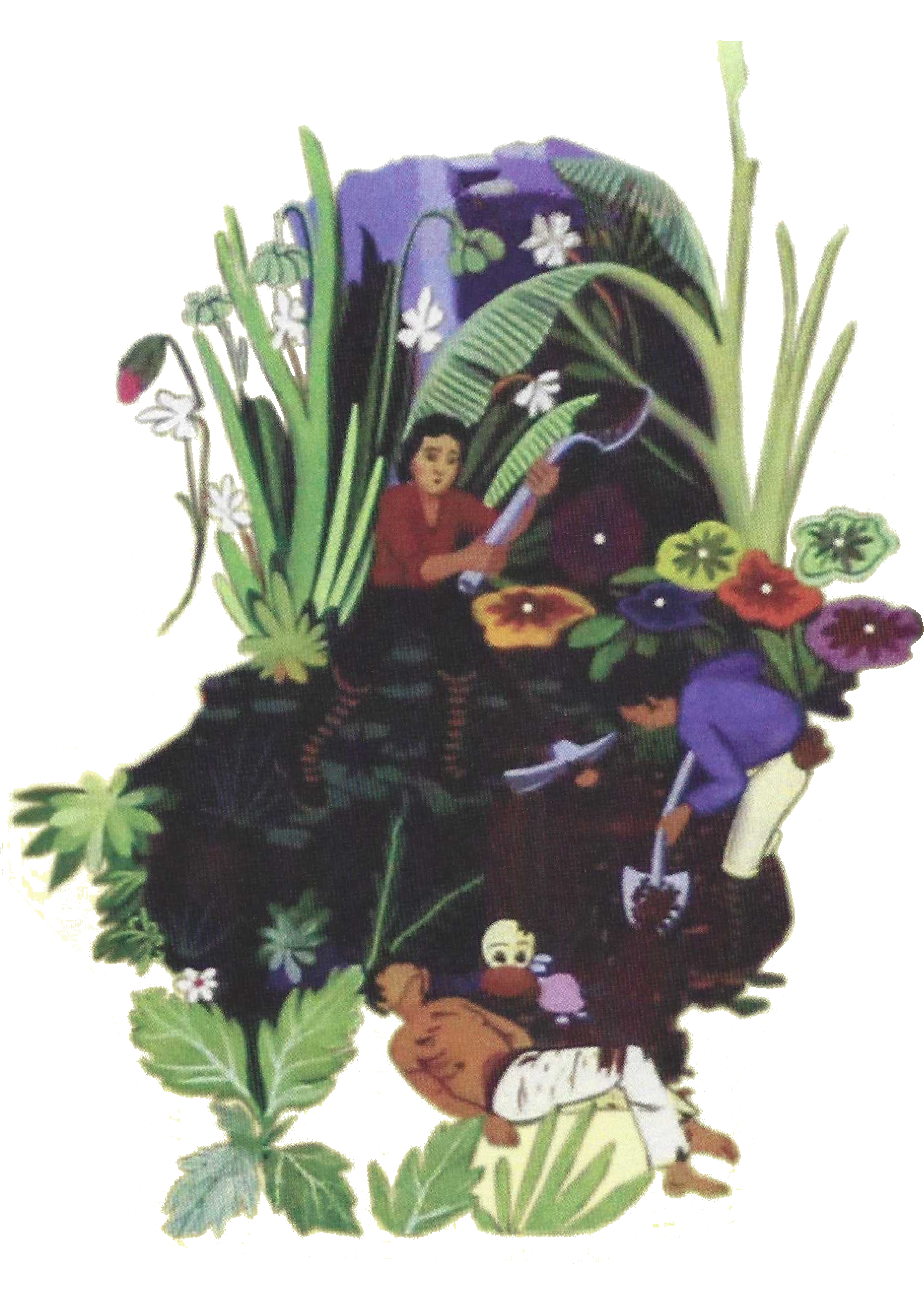
His painting, “Quechua Way of the Cross,” depicts Christ’s suffering through the hardship of the young Quechua and Aymara people in the southern Andes, as they were hired to pan for gold in the jungles of Peru. As Father Stephen Judd, M.M., described it: “Huillca dramatically portrays [their] reality. Instead of striking it rich, the workers find unfulfilled promises and even death by disease or drowning.”
From this powerful image, Father Judd crafted this unique contemporary devotion, incorporating excerpts of Pope Francis' exhortation, Querida Amazonia (“Dear Amazon”) to reflect concern and compassion for the Amazon’s people and the world around them.
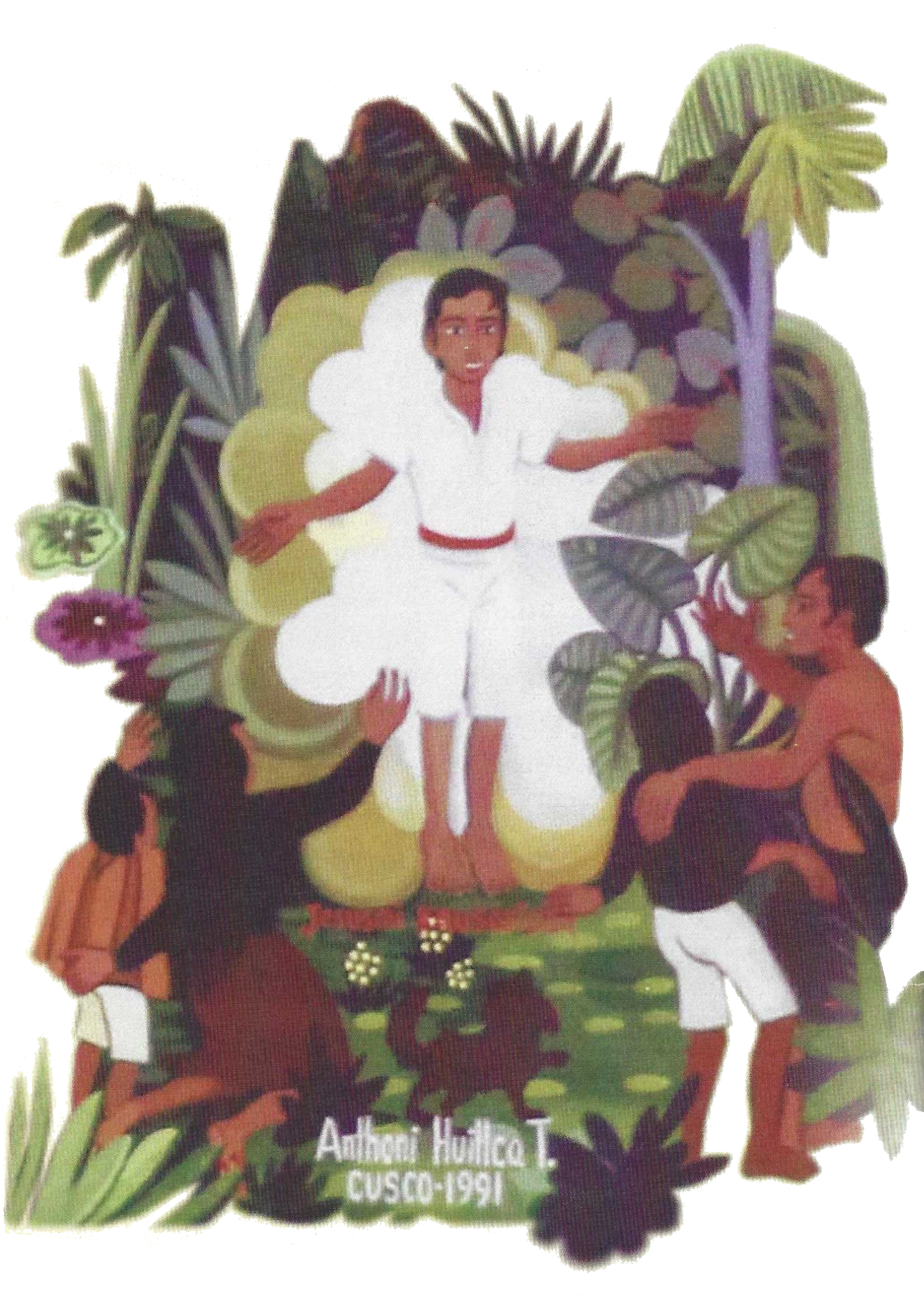
Unlike many versions of the Way of the Cross, Huillca here includes a 15th station, illustrating the hope of the Resurrection—a world renewed and restored.
It is our prayer that this singular Way of the Cross will Inspire a new way of contemplating Christ’s suffering, Passion and Resurrection—and remind us anew of all the indigenous men, women and children Maryknoll serves in some of the most neglected and exploited corners of the earth.
May we never forget to see in all of God’s suffering children the face of Jesus!
I Jesus is Condemned to Death
Prayer: We adore You, O Christ, and we praise you,
Because by your holy cross you have redeemed the world.
A reading from Querida Amazonia
... Though it is true that the Amazon region is facing an ecological disaster, it also has to be made clear that “a true ecological approach always becomes a social approach; it must integrate questions of justice in debates on the environment, so as to hear both the cry of the earth and the cry of the poor”. We do not need an environmentalism “that is concerned for the biome but ignores the Amazonian peoples”. (QA, 8)
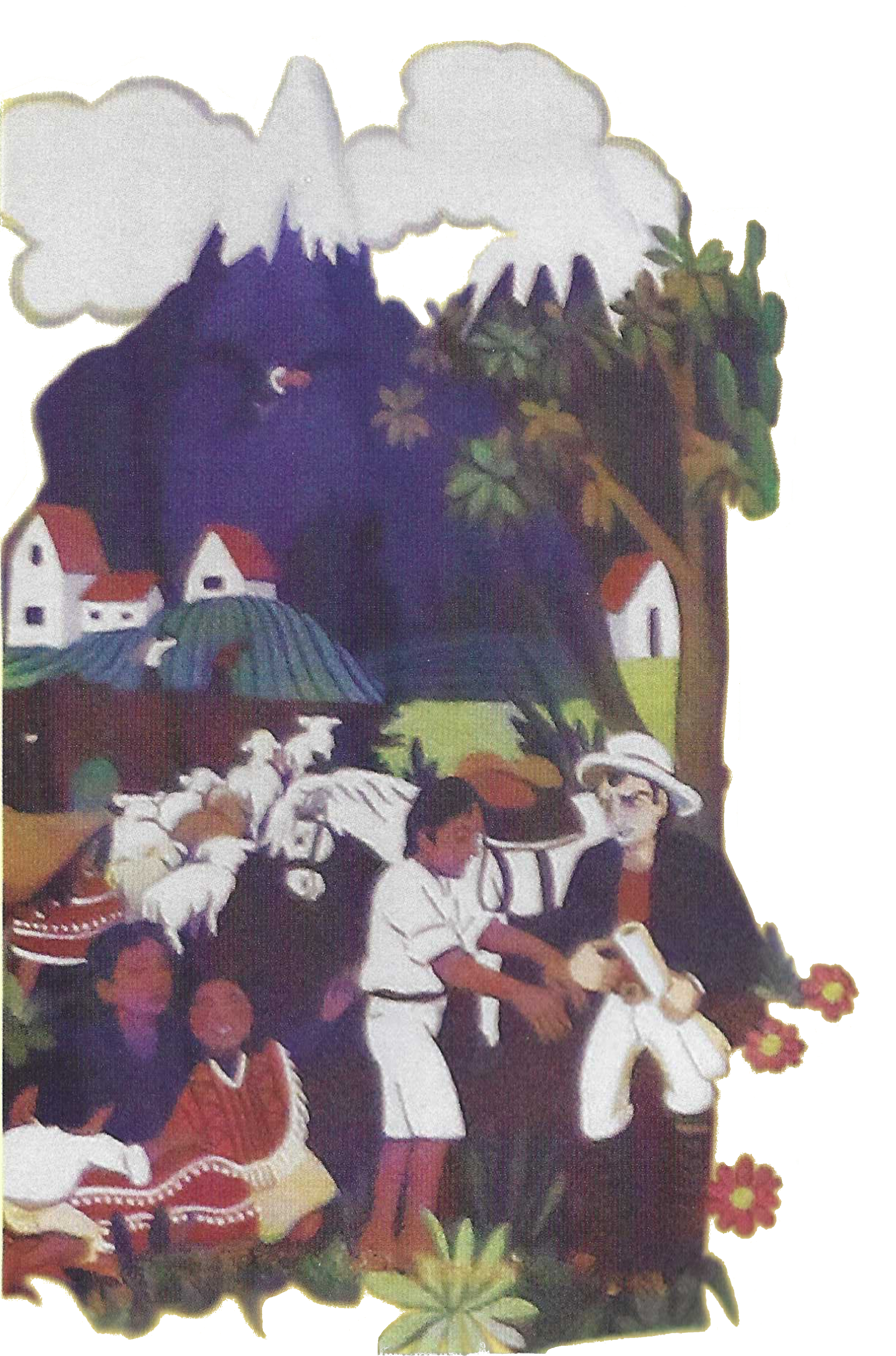
By condemning Jesus to death, the powerful who were in control in his time shackled his hands and feet, taking away his self-determination. In our times, the people of the global majority must pay the price for the primary agents of the climate crisis. The poor and especially those in the region of the Amazon are condemned to suffer and die because of the greed of corporations and the apathy of politicians.
Leader: Let us “hear both the cry of the earth and the cry of the poor.”
Together, we say: May we see Christ in the crucified people today who disproportionately bear the burden of the climate crisis which they have done the least to cause.
Conclude with an Our Father, Hail Mary, and Glory Be.
II Jesus Bears the Cross
Prayer: We adore you, O Christ, and we praise you,
Because by your holy cross you have redeemed the world.
A reading from Querida Amazonia
The colonizing interests that have continued to expand—legally and illegally—the timber and mining industries, and have expelled or marginalized the indigenous peoples, the river people and those of African descent, are provoking a cry that rises up to heaven:
“Many are the trees
where torture dwelt,
and vast are the forests
purchased with a thousand deaths”.
“The timber merchants have members of parliament,
while our Amazonia has no one to defend her...
They exiled the parrots and the monkeys...
the chestnut harvests will never be the same”. (QA, 9)
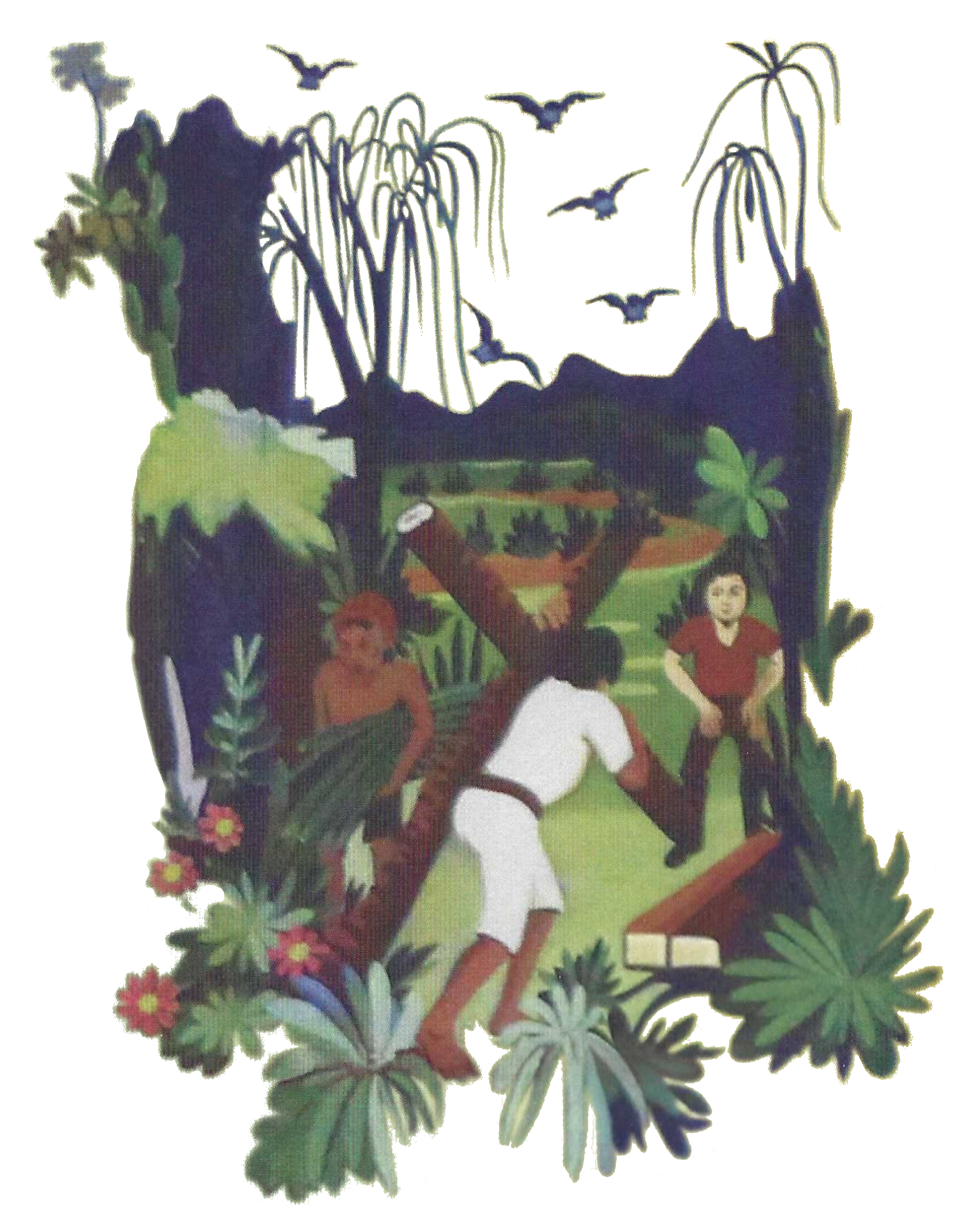
Jesus is forced to carry the weight of the cross. Today many people in the global south labor
under severe conditions in extractive industries of exploitation of natural resources. The burden of this weight is lessened through true solidarity, listening humbly to one another, and working for an economy of sustainable development.
Leader: Let us “hear both the cry of the earth and the cry of the poor.”
Together, we say: May we see Christ in the crucified people today who carry the cross of exploitative industries.
Conclude with an Our Father, Hail Mary, and Glory Be.
III Jesus Falls the First Time
Prayer: We adore you, O Christ, and we praise you,
Because by your holy cross you have redeemed the world.
A reading from Querida Amazonia
Today the Church can be no less committed. She is called to hear the plea of the Amazonian peoples and “to exercise with transparency her prophetic mission”. At the same time, since we cannot deny that the wheat was mixed with the tares, and that the missionaries did not always take the side of the oppressed, I express my shame and once more “I humbly ask forgiveness, not only for the offenses of the Church herself, but for the crimes committed against the native peoples during the so-called conquest of America” as well as for the terrible crimes that followed throughout the history of the Amazon region. I thank the members of the original peoples and I repeat: “Your lives cry out... You are living memory of the mission that God has entrusted to us all: the protection of our common home”. (QA, 19)
Leader: Let us “hear both the cry of the earth and the cry of the poor.”
Together, we say: May we see Christ in the crucified people today who seek to heal the wounds of colonialism.
Conclude with an Our Father, Hail Mary, and Glory Be.
IV Jesus Meets His Blessed Mother
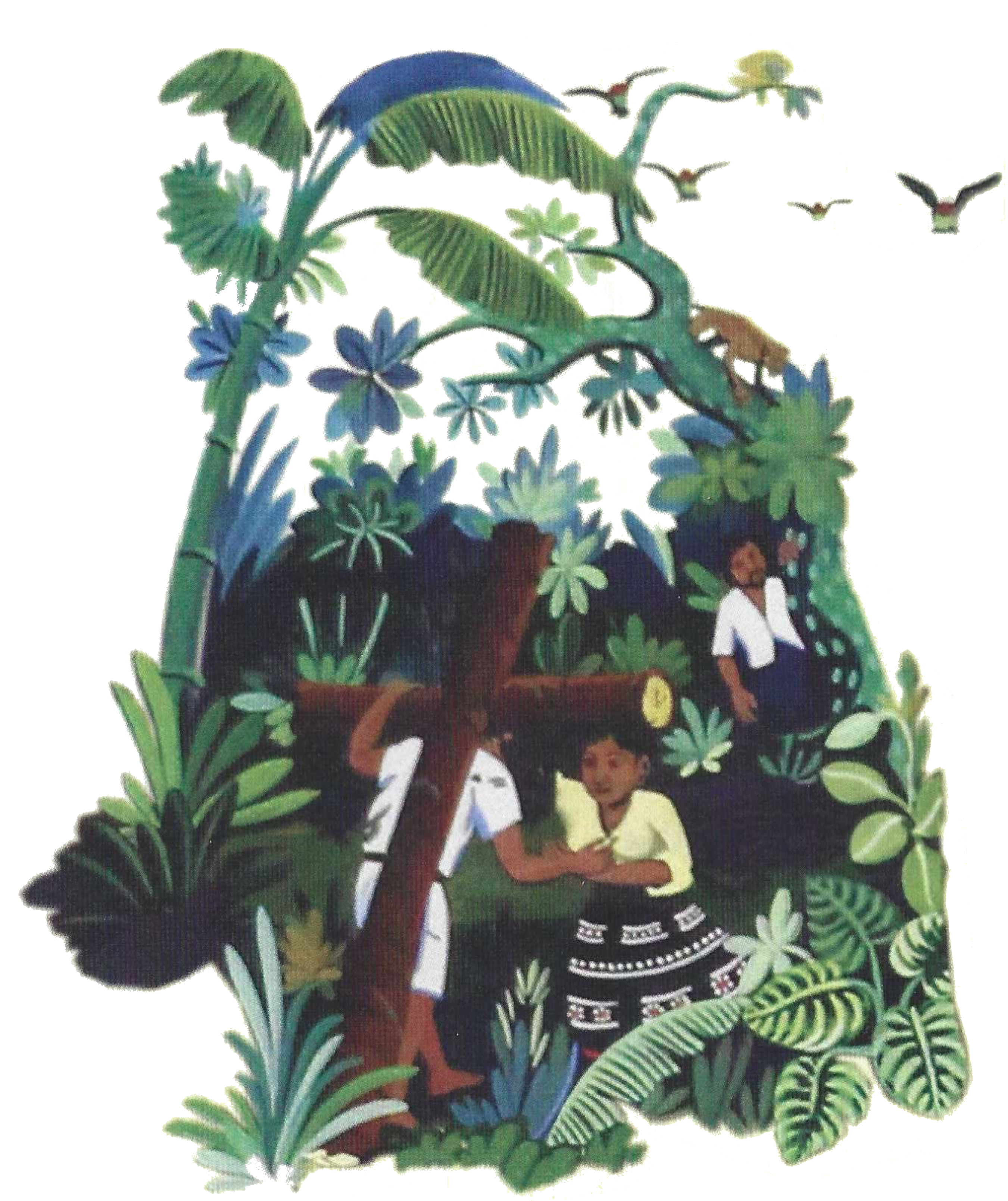
Prayer: We adore you, O Christ, and we praise you, Because by your holy cross you have redeemed the world.
A reading from Querida Amazonia
The Mother whom Christ gave us is also the one Mother of all, who reveals herself in the Amazon region in distinct ways. We know that “the indigenous peoples have a vital encounter with Jesus Christ in many ways; but the path of Mary has contributed greatly to this encounter’.
...Mother whose heart is pierced, who yourself suffer in your mistreated sons and daughters, and in the wounds inflicted on nature, reign in the Amazon, together with your Son. Reign so that no one else can claim lordship over the handiwork of God... (QA, 111)
Jesus’ mother also bears the burden of this cross by meeting him along the way. In many places of ecological crisis, but in a special way in Latin America, Mary plays a significant role as mother and protector. Like Jesus was comforted along the way through his encounter with Mary, women, particularly mothers, shoulder much of the work for climate justice and invoke her intercession and protection as mother for us all and protector of our common home.
Leader: Let us “hear both the cry of the earth and the cry of the poor.”
Together, we say: May we see Christ in the crucified people today who stand under the mantle of Mary to defend our common home.
Conclude with an Our Father, Hail Wary, and Glory Be.
V Simon Helps Jesus to Carry His Cross
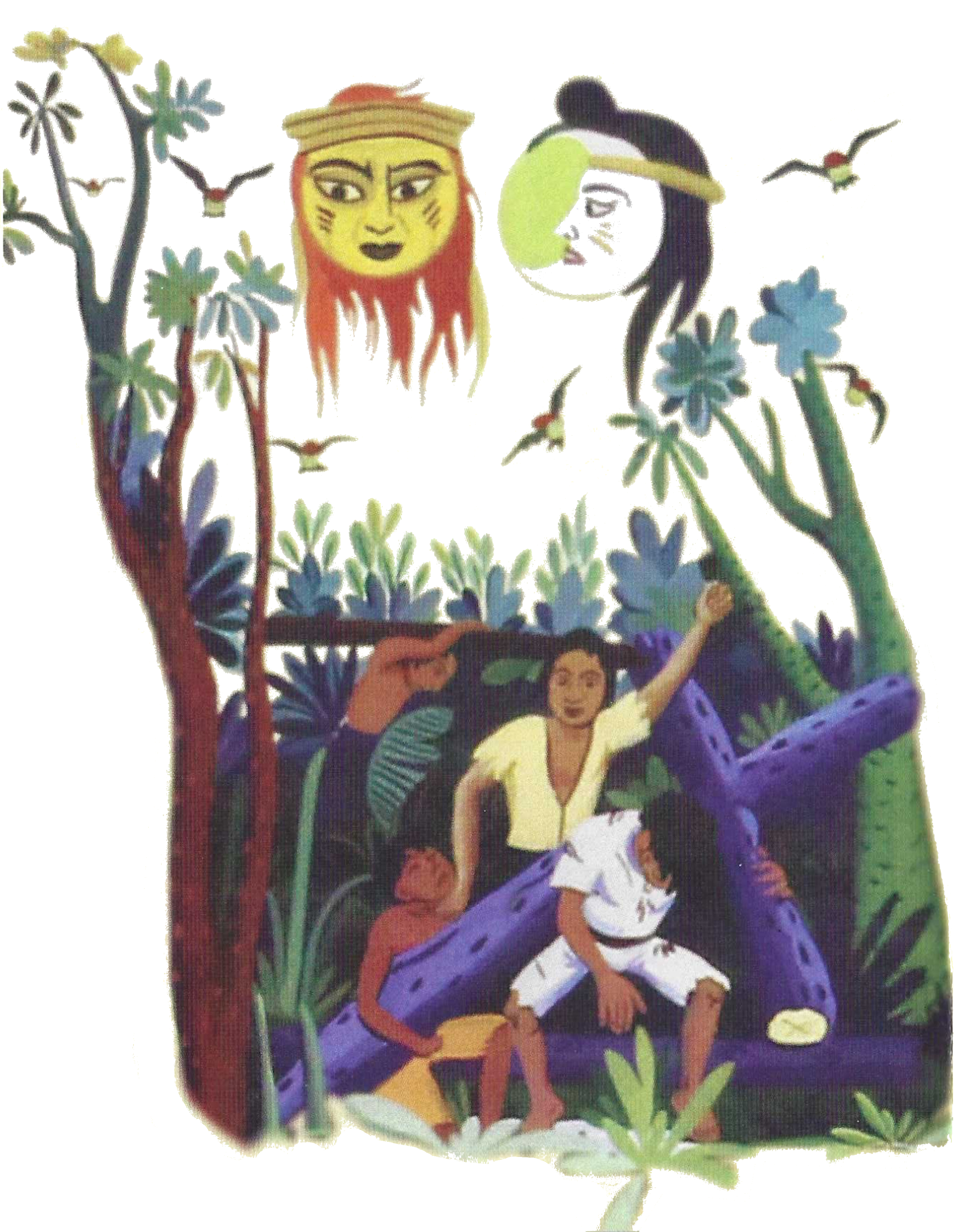
Prayer: We adore you, O Christ, and we praise you,
Because by your holy cross you have redeemed the world.
A reading from Querida Amazonia
Efforts to build a just society require a capacity for fraternity, a spirit of human fellowship. Hence, without diminishing the importance of personal freedom, it is clear that the original peoples of the Amazon region have a strong sense of community. It permeates “their work, their rest, their relationships, their rites and celebrations. Everything is shared; private areas—typical of modernity—are minimal. Life is a communal journey where tasks and responsibilities are apportioned and shared on the basis of the common good. There is no room for the notion of an individual detached from the community or from the land”. Their relationships are steeped in the surrounding nature, which they feel and think of as a reality that integrates society and culture, and a prolongation of their bodies, personal, familial and communal: “The morning star draws near, the wings of the hummingbirds flutter; my heart pounds louder than the cascade: with your lips I will water the land as the breeze softly blows among us”. (QA, 20)
Simon steps up and shares the weight of the cross with Jesus. Like Simon, there are always people who step up and form part of the community that works towards the common good in the care for creation. Simon reminds us of the need for community and prophetic witnesses like the leader Chico Mendes and Notre Dame Sister Dorothy Stang who put their own lives on the line to safeguard the people and the land of the Amazon Region.
Leader: Let us “hear both the cry of the earth and the cry of the poor.”
Together, we say: May we see Christ in the crucified people today who link arms in solidarity to care for our common home.
Conclude with an Our Father, Hail Mary, and Glory Be.
VI Veronica Wipe the Face of Jesus
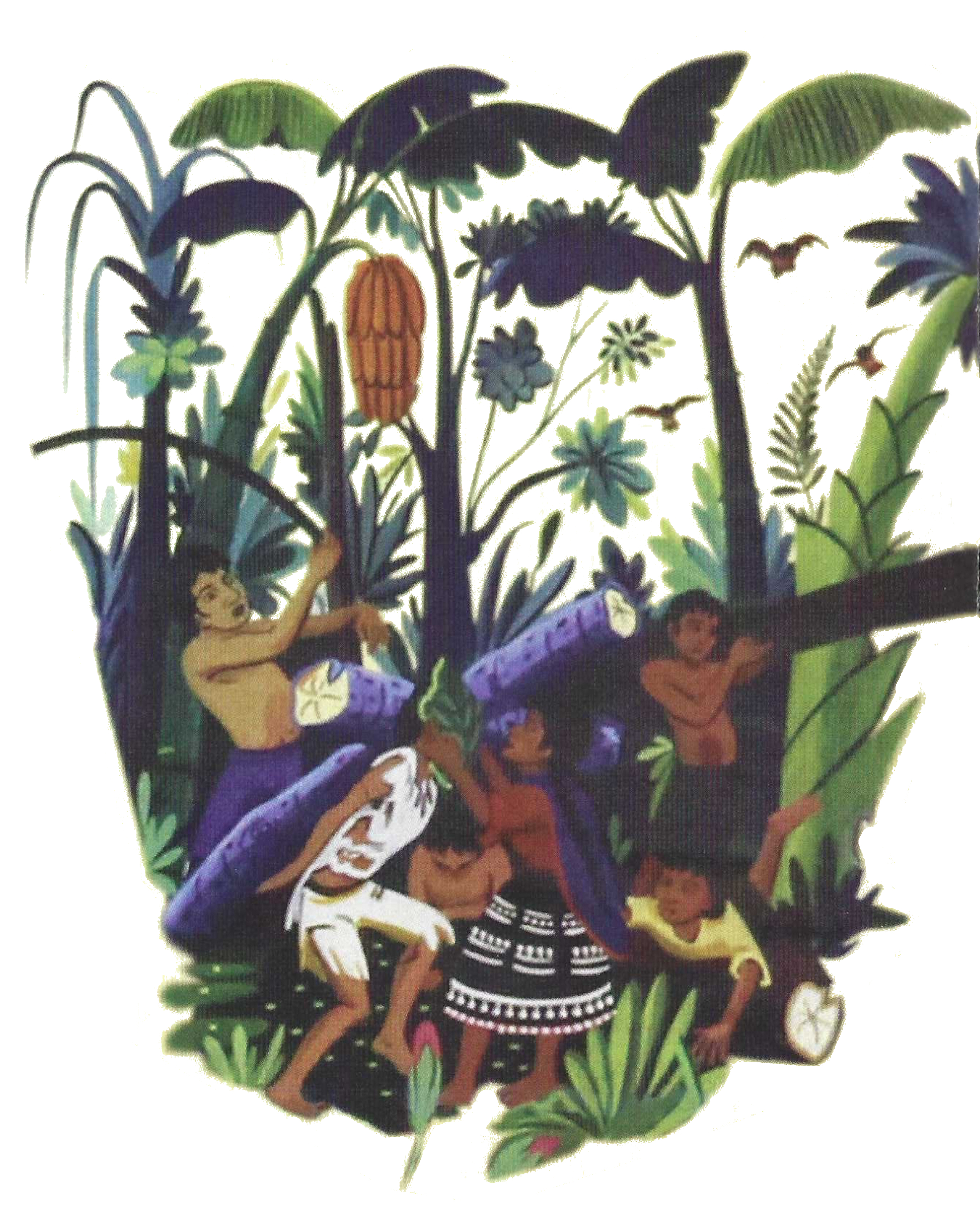
Prayer: We adore you, O Christ, and we praise yo. Because by your holy cross you have redeemed the world,
A reading from Querida Amazonia
… We are called to turn this relationship with God present in the cosmos into an increasingly personal relationship with a “Thou” who sustains our lives and wants to give them a meaning, a “Thou” who knows us and loves us:
“Shadows float from me, dead wood.
But the star is born without reproach
'over the expert hands of this child,
that conquer the waters and the night.
B/t has to be enough for me to know
%hat you know me
completely, from before my days”. (QA, 73)
When Veronica wipes Jesus' face, his image is imprinted on the cloth. Like Veronica’'s encounter with the suffering Jesus, we have the image of God revealed to us when we encounter the people who suffer in our midst today. Through global solidarity we draw near to the suffering body of Christ when we meditate on our interconnectedness to the suffering of our indigenous brothers and sisters around the world with tenderness and compassion.
Leader: Let us "hear both the cry of the earth and the cry of the poor.”
Together, we say: May we see Christ in the crucified people today who reveal to us the face of Christ.
Conclude with an Our Father, Hail Mary, and Glory Be.
VII Jesus Falls the Second Time
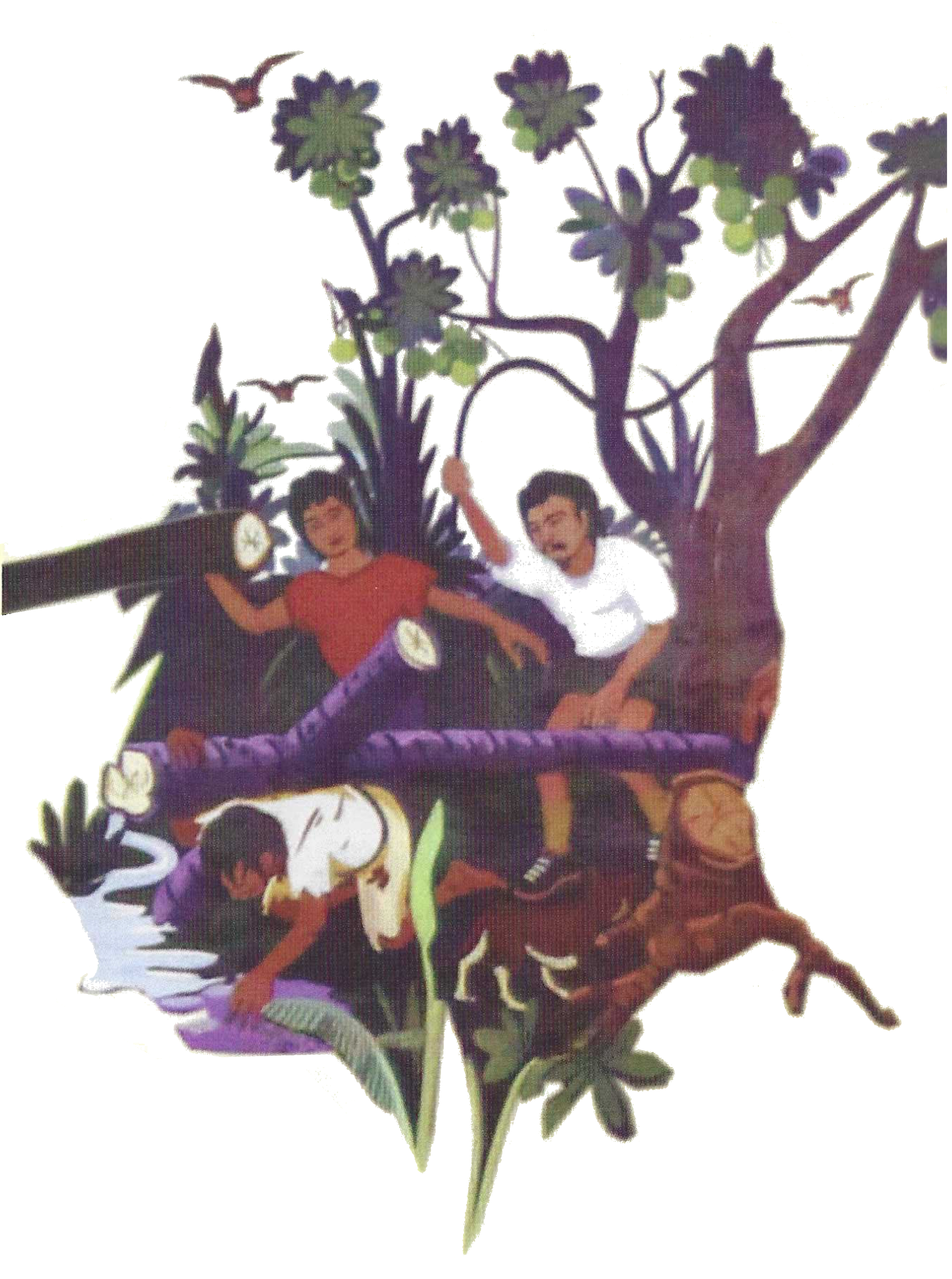
Prayer: We adore you, O Christ, and we praise you. Because by your holy cross you have redeemed the world,
A reading from Querida Amazonia
Such a history of suffering and contempt does not heal easily. Nor has colonization ended; in many places, it has been changed, disguised and concealed, while losing none of its contempt for the life of the poor and the fragility of the environment. As the bishops of the Brazilian Amazon have noted, “the history of the Amazon region shows that it was always a minority that profited from the poverty of the majority and from the unscrupulous plundering of the region’s natural riches, God’s gift to the peoples who have lived there for millennia and to the immigrants who arrived in centuries past”. (QA, 16)
When Jesus falls the second time, he reopens the wound from the first fall. Today, the colonial wound Is reopened when indigenous communities are exploited and subjected to new forms of colonialism that threaten their dignity and the sustainable development of their regions. We also fall when we fail to consider how we benefit from materialism at their expense.
Leader: Let us “hear both the cry of the earth and the cry of the poor.”
Together, we say: May we see Christ in the crucified people today who suffer as a result of the persisting colonial wound.
Conclude with an Our Father, Hail Mary, and Glory Be.
VIII Jesus Speaks to the Women of Jerusalem
Prayer: We adore you, O Christ, and we praise you.
Because by your holy cross you have redeemed. the world,
A reading from Querida Amazonia
In the Amazon region, there are communities that have long preserved and handed on the faith even though no priest has come their way, even for decades. This could happen because of the presence of strong and generous women who, undoubtedly called and prompted by the Holy Spirit, baptized, catechized, prayed and acted as missionaries. for centuries, women have kept the Church alive in those places through their remarkable devotion and deep faith. (QA, 99)
The women of Jerusalem wept for Jesus, but today the women of the Church, especially those in the Amazon region not only weep but continually accompany and advocate for those who suffer. They are on the front lines of resistance to ecological devastation and keep the historical memory alive to pass on to future generations.
Leader: Let us “hear both the cry of the earth and the cry of the poor.”
Together, we say: May we see Christ in the crucified people today, especially the women who go unseen and without whom the reign of God could not prevail on earth.
Conclude with an Our Father, Hail Mary, and Glory Be.
IX Jesus Falls the Third Time
Prayer: We adore you, O Christ, and we praise you,
Because by your holy cross you have redeemed the world.
A reading from Querida Amazonia
We need to feel outrage, as Moses did, as Jesus did, as God does in the face of injustice. It is not good for us to become inured to evil; it is not good when our social consciousness is dulled before “an exploitation that 1s leaving destruction and even death throughout our region … jeopardizing the lives of millions of people and especially the habitat of peasants and indigenous peoples”. The incidents of injustice and cruelty that took place in the Amazon region even In the last century ought to provoke profound abhorrence, but they should also make us more sensitive to the need to acknowledge current forms of human exploitation, abuse and killing. (QA, 15)
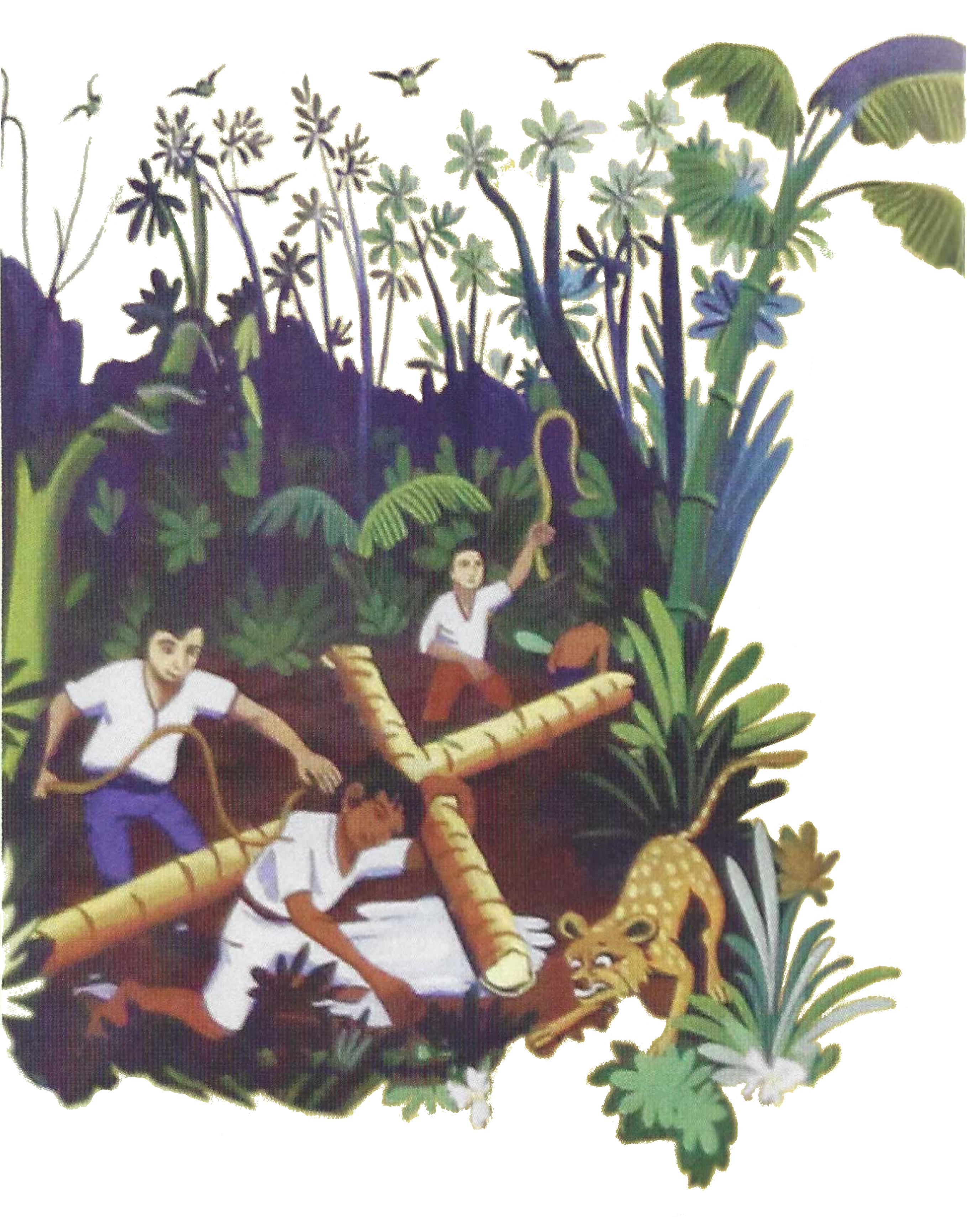
When Jesus fell a third time, he was likely tempted to give up. The weight of the cross in a third fall would aggravate his wounds and test his limits. Today, Jesus must bear the frequent abuses inflicted on his mystical body in the people of the Amazon region. They suffer unspeakable forms of exploitation at the hands of powerful landowners and governing authorities. We must not become numb because of the frequency of these inflictions.
Leader: Let us “hear both the cry of the earth and the cry of the poor.”
Together, we say: May we see Christ in the crucified people today who are crushed under the weight of a constant onslaught of breaches to the covenant with creation to be in dominion over the land.
Conclude with an Our Fatter, Hail Mary, and Glory Be.
X Jesus is Stripped of His Garments
Prayer: We adore you, O Christ, and we praise you,
Because by your holy cross you have redeemed the world.
A reading from Querida Amazonia
“We are being affected by the timber merchants, ranchers and other third parties. Threatened by economic actors who import a model alien to our territories. The timber industries enter the territory in order to exploit the forest, whereas we protect the forest for the sake of our children, for there we have meat, fish, medicinal plants, fruit trees … The construction of hydroelectric plants and the project of waterways has an impact on the river and on the land... We are a region of stolen territories”. (QA, 11)
Jesus was stripped of his garments in violation of his dignity. Today, the earth is stripped and violated in myriad ways. We are called to protect the sacredness of the earth as stewards of creation and not to desecrate it through over consumption, domination and abuse.
Leader: Let us “hear both the cry of the earth and the cry of the poor.”
Together, we say: May we see Christ in the crucified earth that is stripped of its resources and biodiversity—violated and abused.
Conclude with an Our Fatter, Hail Mary, and Glory Be.
XI Jesus is Nailed to the Cross
Prayer: We adore you, O Christ, and we praise you,
Because by your holy cross you have redeemed the world.
A reading from Querida Amazonia
Poetry helps give voice to a painful sensation shared by many of us today. The inescapable truth is that, as things stand, this way of treating the Amazon territory spells the end for so much life, for so much beauty, even though people would like to keep thinking that nothing is happening: “Those who thought that the river was only a piece of rope, a plaything, were mistaken. The river is a thin vein on the face of the earth... The river is a cord enclosing animals and trees. If pulled too tight, the river could burst. It could burst and spatter our faces with water and blood”. (QZ, 47)
Jesus was nailed to the wood of the cross and his blood poured out. Like it was for his body, the life of our ecosystems is being drained. The interdependence of each form of life on earth is threatened by the destruction that is currently happening. It is a wound we are self-inflicting on ourselves and the most vulnerable.
Leader: Let us “hear both the cry of the earth and the cry of the poor.”
Together, we say: May we see Christ in the crucified earth today that is bleeding and whose many forms of life are threatened with extinction.
Conclude with an Our Father, Hail Mary, and Glory Be.
XII Jesus Dies on the Cross
Prayer: We adore you, O Christ, and we praise you,
Because by your holy cross you have redeemed the world.
A reading from Querida Amazonia
The harm done to nature affects those peoples in a very direct and verifiable way, since, in their words, “we are water, air, earth and life of the environment created by God. For this reason, we demand an end to the mistreatment and destruction of mother Earth. The land has blood, and it is bleeding; the multinationals have cut the veins of our mother Earth”. (QA, 42)
The blood of Jesus stained the earth as he died on the cross. Today we can see that blood continues to stain the earth as we perpetuate the human and ecological destruction of our common home. Our lack of foresight, our greed, and our irresponsibility have paved the road that leads to death and we are stained by that blood.
Leader: Let us “hear both the cry of the earth and I the cry of the poor.”
Together, we say: May we see Christ in the crucified earth that is bled out by the multinationals.
Conclude with an Our Father, Hail Mary, and Glory Be.
XIII Jesus is Taken Down from Cross
Prayer: We adore you, O Christ, and we praise you,
Because by your holy cross you have redeemed the world.
A reading from Querida Amazonia
Dialogue must not only favor the preferential option on behalf of the poor, the marginalized and the excluded, but also respect them as having a leading role to play. Others must be acknowledged and esteemed precisely as others, each with his or her own feelings, choices and ways of living and working. Otherwise, the result would be, once again, “a plan drawn up by the few for the few”, If not “a consensus on paper or a transient peace for a contented minority”. Should this be the case, “a prophetic voice must be raised”, and we as Christians are called to make it heard. (QA, 27)
Jesus’s body must be moved because he can no longer move himself. Today, the poor and excluded do not have agency, like the crucified Christ, they are moved aside and many times discarded. The preferential option for the poor means doing more than charitable giving, but undoing the exclusionary frameworks that take away the agency of marginalized people.
Leader: Let us “hear both the cry of the earth and the cry of the poor.”
Together, we say: May we see Christ in the crucified people today whose voice and agency Is denied to them.
Conclude with an Our Father, Hail Mary, and Glory Be.
XIV Jesus is Laid in the Sepulcher
Prayer: We adore you, O Christ, and we praise you,
Because by your holy cross you have redeemed the world.
A reading from Querida Amazonia
“Make the river your blood…
Then plant yourself,
blossom and grow:
let your roots sink into the ground
forever and ever,
and then at last
become a canoe,
a skiff, a raft,
soil, a jug,
a farmhouse and a man”. (34)
Jesus’ body is laid to rest in the tomb, but death is not the end of the story. Like the grain of wheat that must die to produce fruit, the darkness of any trying period ultimately yields to new life. The climate activists who are killed for standing up to corporate interests are laid to rest in the womb of the earth like seeds.
Leader: Let us *hear both the cry of the earth and the cry of the poor.”
Together, we say: May we see Christ in the crucified people today who have died as a result of climate catastrophes or in defense of the earth.
Conclude with an Our Father, Hail Mary, and Glory Be.
XV Jesus Rises from the Dead
Prayer: We adore you, O Christ, and we praise you,
Because by your holy cross you have redeemed the world,
A reading from Querida Amazonia
I dream of an Amazon region that fights for the rights of the poor, the original peoples and the least of our brothers and sisters, where their voices can be heard and their dignity advanced.
I dream of an Amazon region that can preserve its distinctive cultural riches, where the beauty of our humanity shines forth in so many varied ways.
I dream of an Amazon region that can jealously preserve its overwhelming natural beauty and the superabundant life teeming in its rivers and forests.
I dream of Christian communities capable of generous commitment, incarnate in the Amazon region, and giving the Church new faces with Amazonian features.. (QA, 6-7))
The tragedy of Jesus’ death on the cross is not the final chapter of the Christian story. The faith of the resurrection moves us beyond death and gives us the ability to dream of a future for our earth even in the darkest times. Beyond the devastation of the climate crisis before us, lies the dynamism of missionary disciples who work unceasingly to combat ecological collapse, and continue to dream of a new dawn of harmonious living with each other, the land, and all creation.
Leader: Let us “hear both the cry of the earth and the cry of the poor.”
Together, we say: May we see risen Christ in our hopes and dreams for a future that heals and makes us whole. May the peace of the risen Christ reign on earth.
Conclude with an Our Father, Hail Mary, and Glory Be.
Closing Reflection
Classic texts and artistic expressions reveal unending truths; their fullest meaning is always new. When looking upon Anthoni Hullica’s El Via Crucis, it is helpful to view it through the eyes of the sixteenth-century Dominican friar and wisdom figure, Bartolomé de Las Casas (1484-1566). Words he wrote at the time of the Spanish Conquest and subsequent violent colonial period resonate today in the context of oppressed people everywhere and are visualized in Anthoni's painting: “In America I saw Christ crucified not once, but thousands of times in the indigenous people of our continent.”
In a single painting, Anthoni depicted the plight of Quechua youth through the Stations of the Cross. Young Quechua are forced to flee their highland homelands to pan for gold in the Amazonian lowlands as their native communities face inhuman conditions amid the environmental destruction of the rain forest. They have become the “crucified peoples” of our times and earth who cry out for justice and dignity. In the words of the contemporary martyr, Saint Oscar Romero (1915-1980), “let us celebrate their Resurrection as does the young artist Anthoni Huillca.”
Rev. Steven P. Judd, M.M.
Maryknoll, NY
Lent 2026
Closing Prayer
Contemplating these scenes of Christ's journey to Calvary, may we keep in mind the faces of so many innocent people today who “die before their time of a cruel and early death” in our world. We pray for a world of justice. A world of compassion. A world of blessed hope for all who walk to Calvary every day.
We pray In the words of Pope Francis:
God of love, show us our place in this world as channels of your love. Enlighten those who possess power and money that they may avoid the sin of indifference, that they may love the common good, advance the weak, and care for this world in which we live.
O Lord, seize us with your power and light, help us to protect all life, to prepare for a better future, for the coming of your Kingdom of justice, peace, love and beauty.
Amen
Fathers and Brothers Maryknoll
P.O. Box 302,, NY 10545-0302
Artwork: Anthoni Huillca
1.888.627.9366 ● MaryknollSociety.org
PN10311
top of page